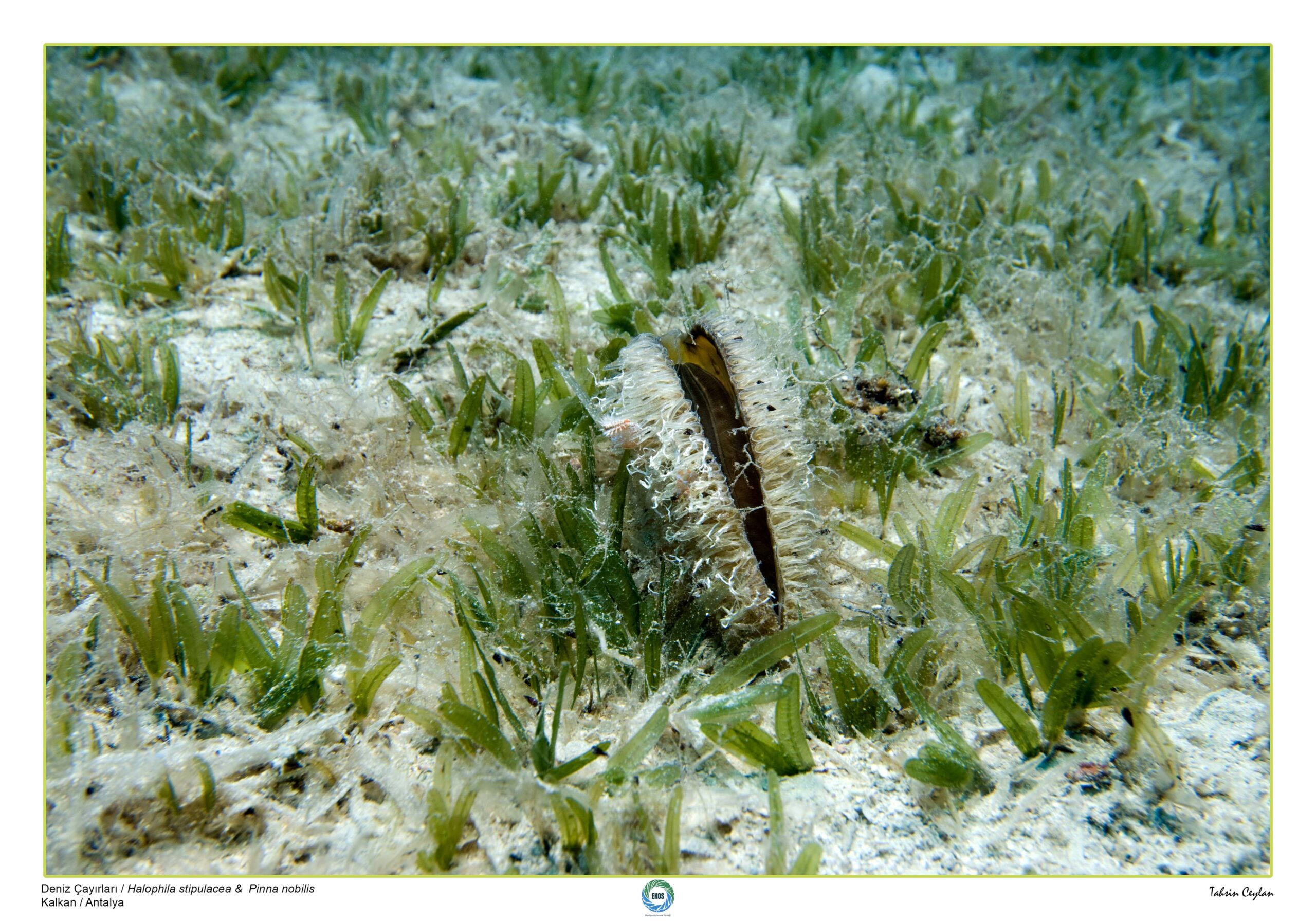
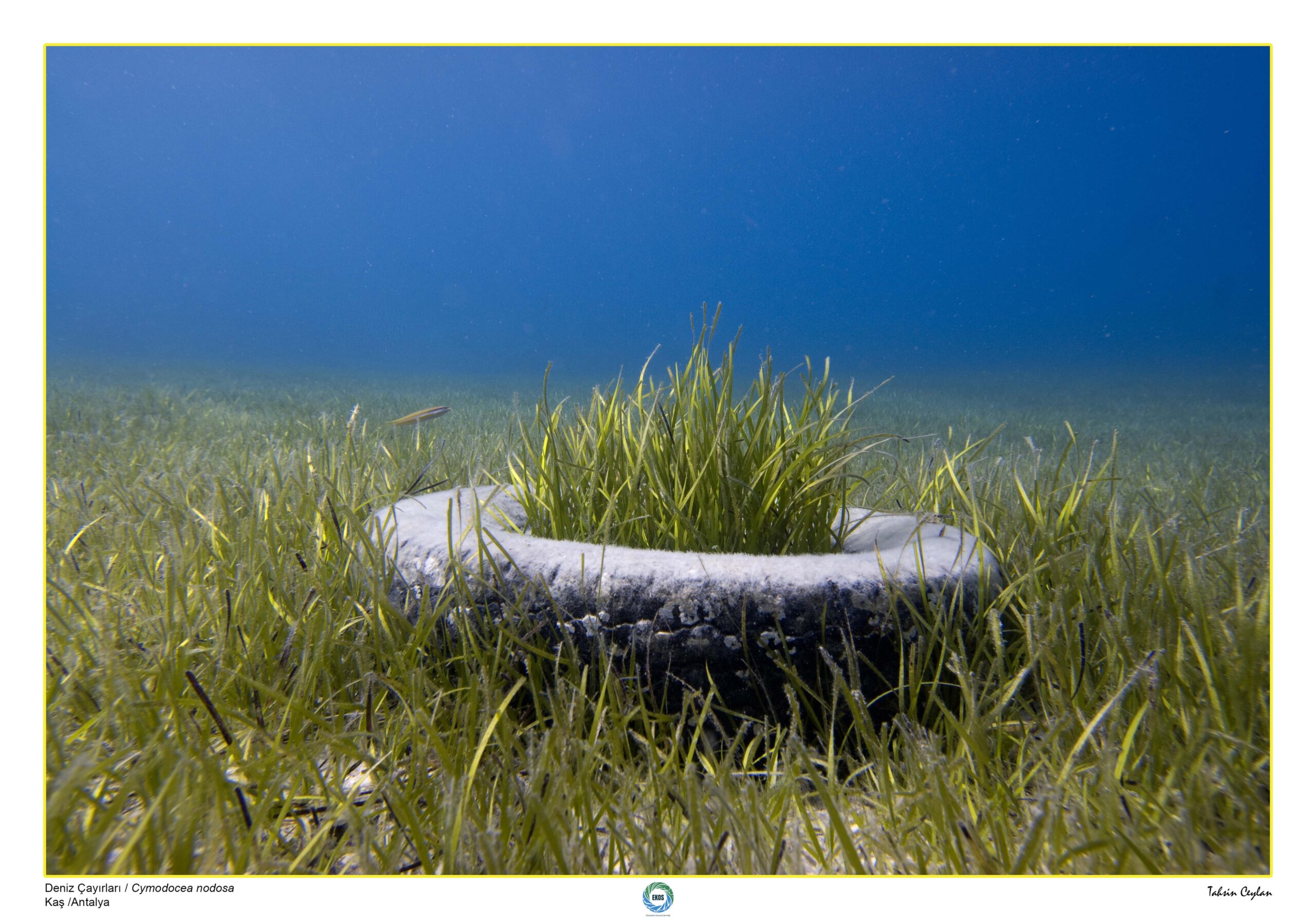
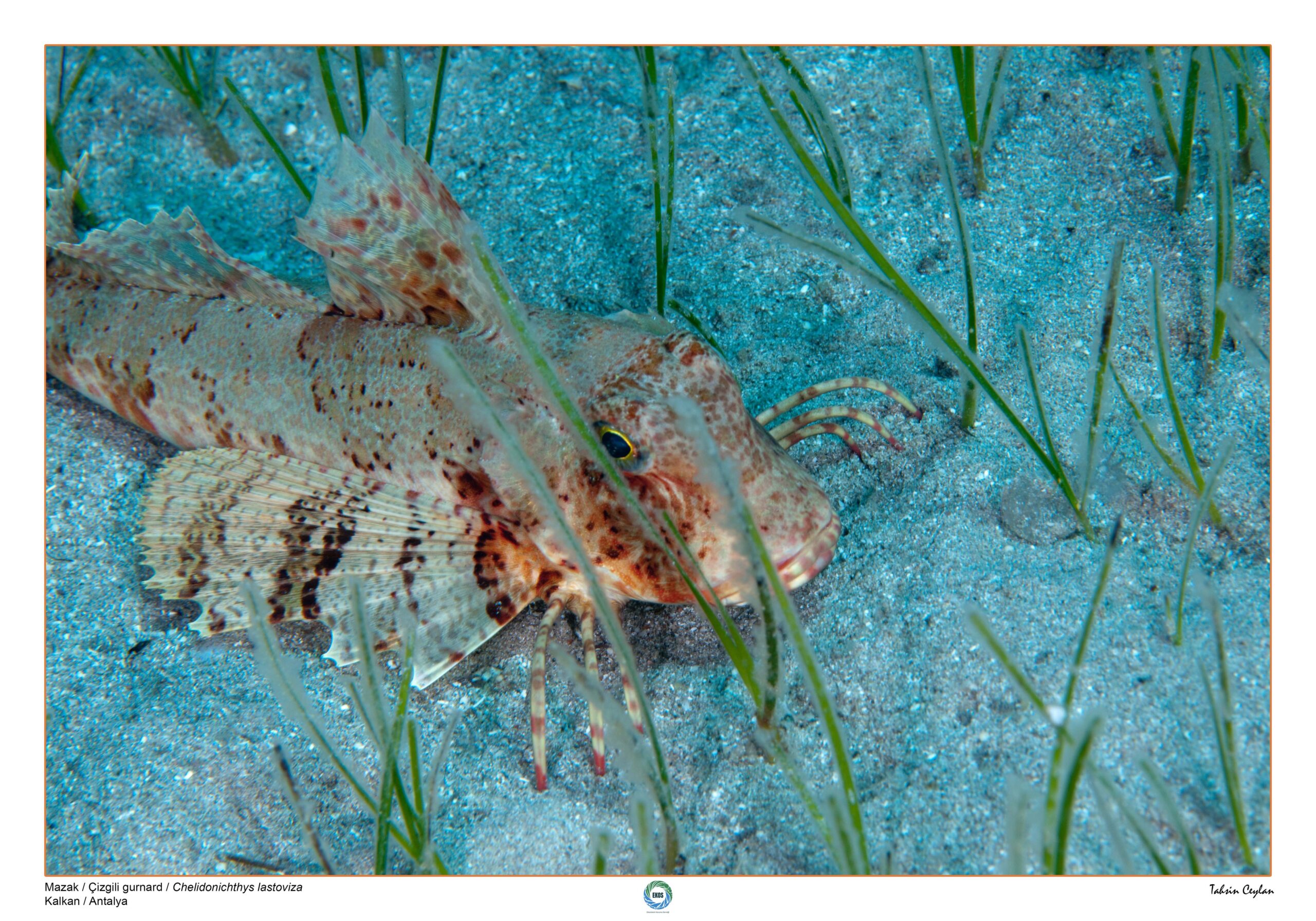
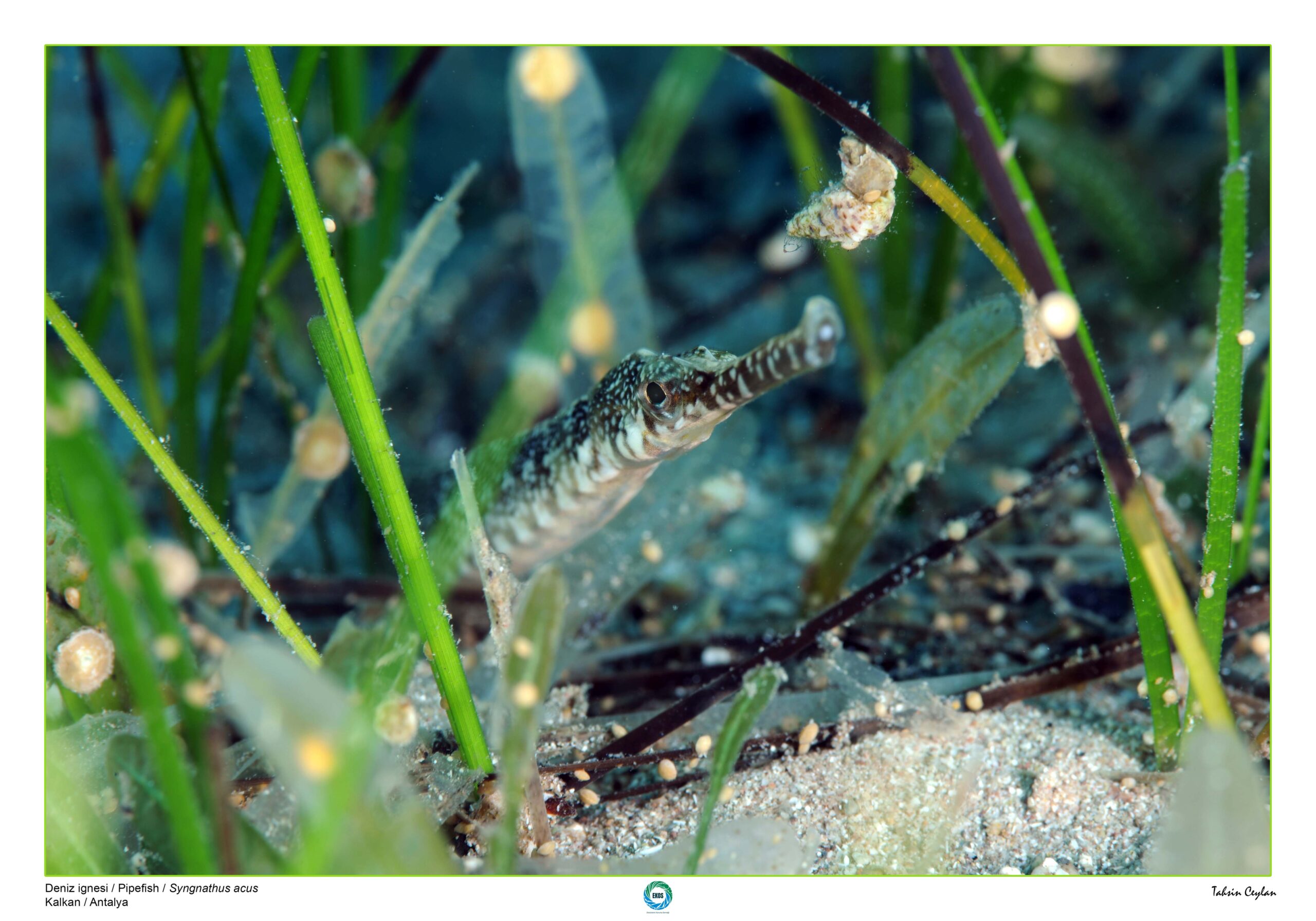
Exploring the Seagrass Meadows of the Antalya–Lara Coast
This exhibition is part of the awareness-raising activities carried out within the project “Monitoring, Mapping, and Sustainable Management of Posidonia oceanica Meadows on the Antalya–Lara Coast”, implemented by the Ecosystem Conservation Society (EKOS).
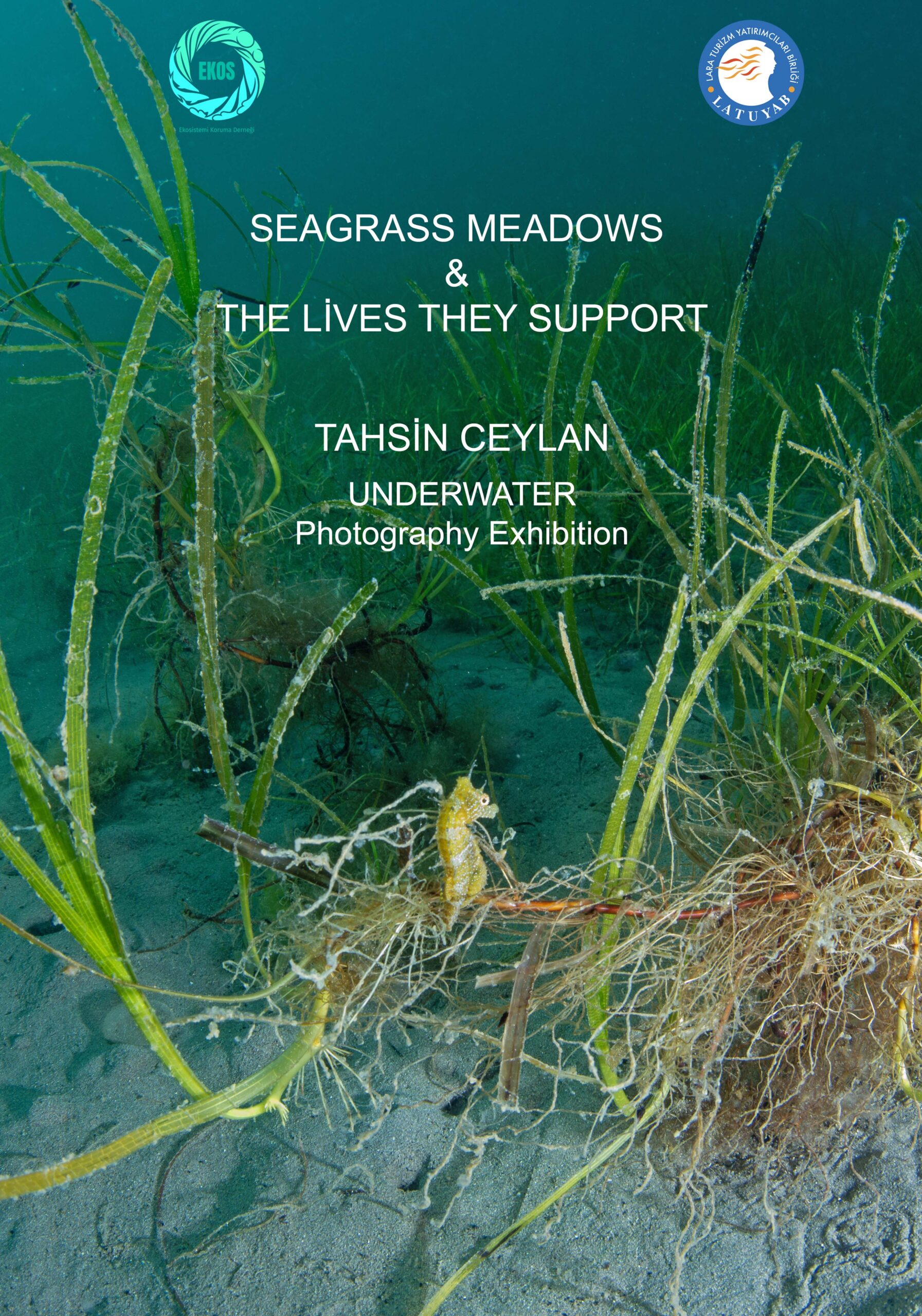
The main objective of the project is to scientifically monitor the current status of Posidonia oceanica meadows along the Antalya–Lara coastline, map their distribution areas, and develop sustainable management strategies that will contribute to the long-term conservation of this critical habitat.
The project also aims to ensure that the scientific data collected is not limited to academic research but is shared with public institutions, local stakeholders, the tourism sector, and society as a whole. This photo exhibition is an important part of that approach.
Why Are Seagrass Meadows Important?
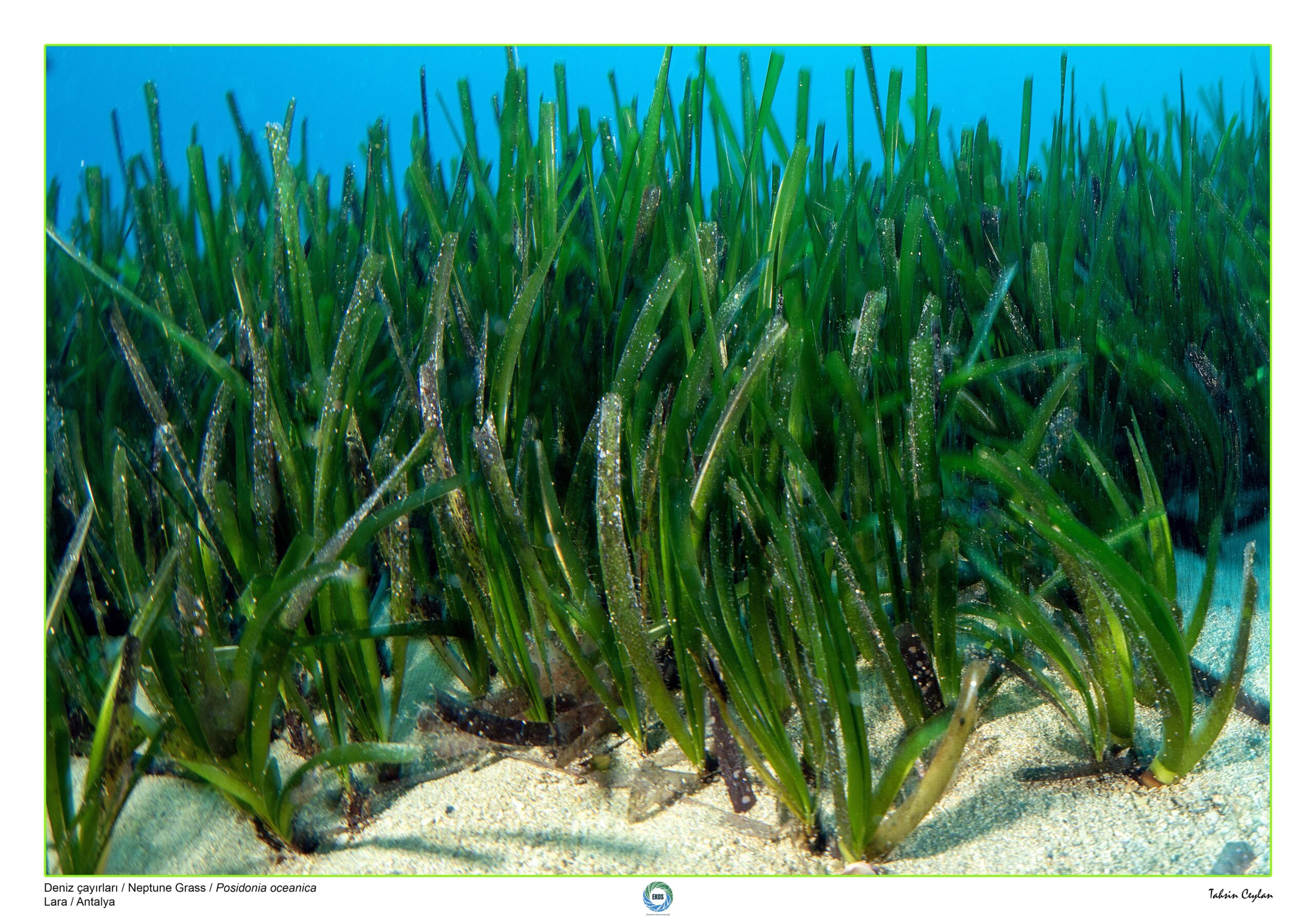
Posidonia oceanica meadows are among the most important marine habitats in the Mediterranean Sea.
Seagrass meadows:
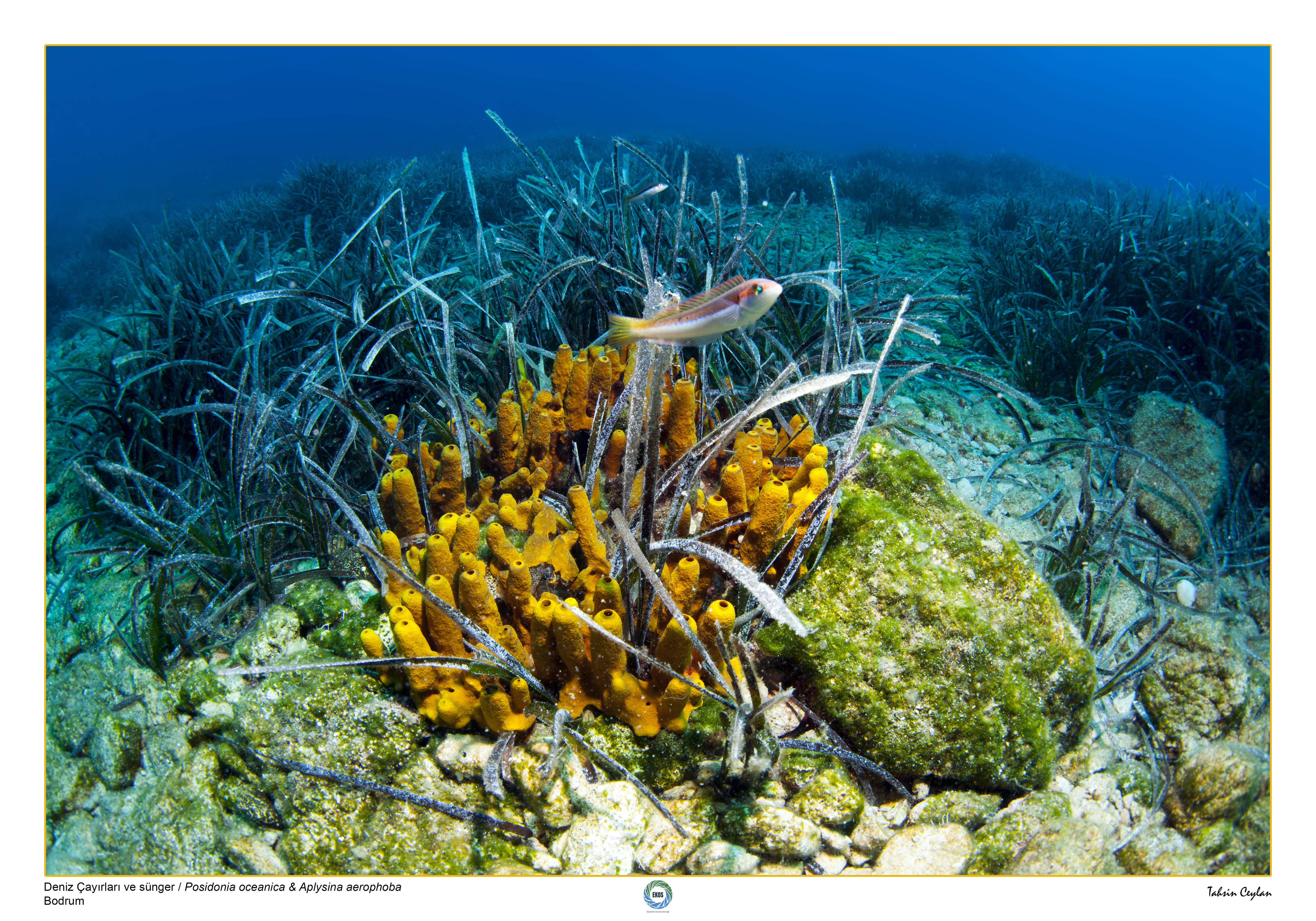
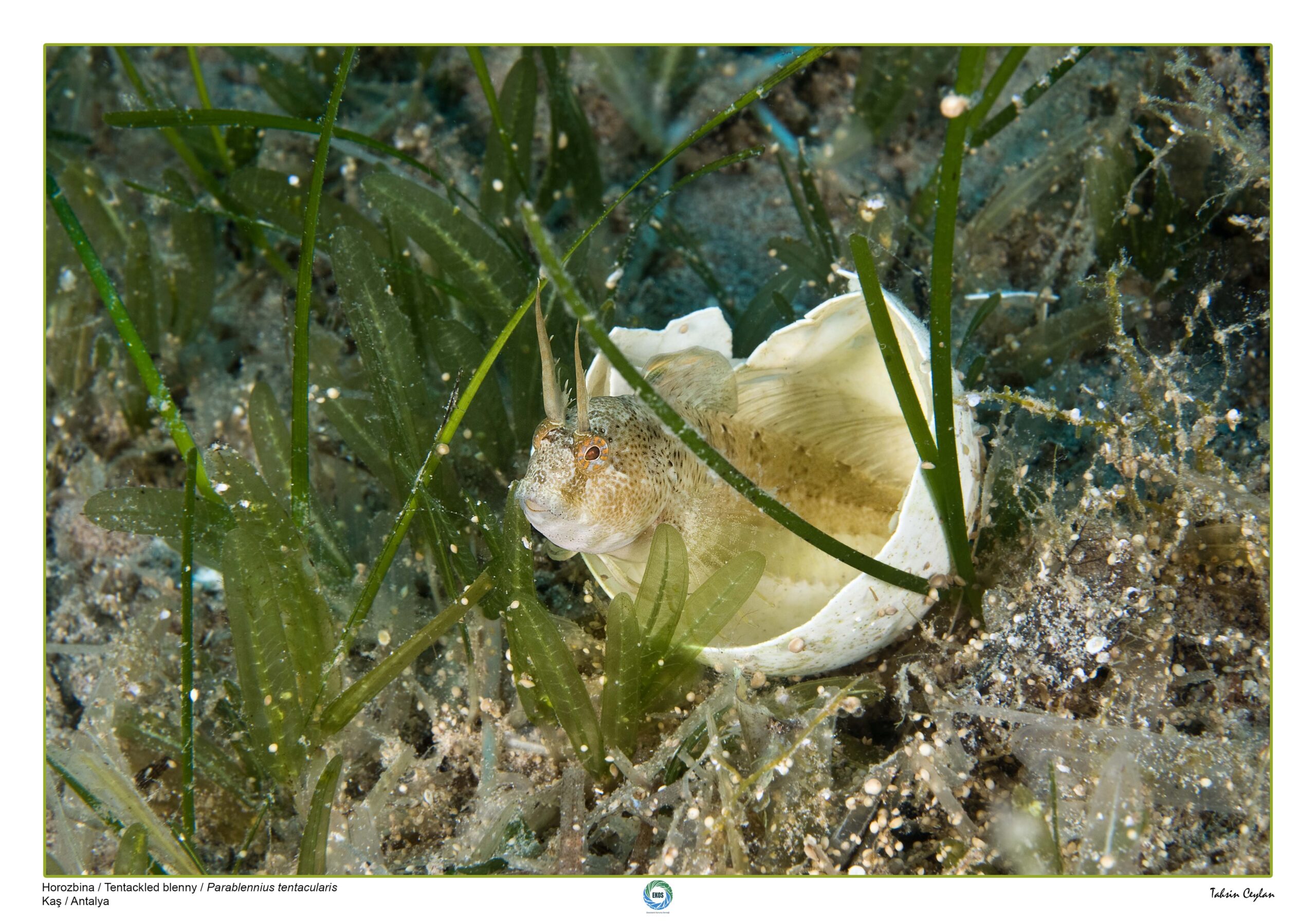
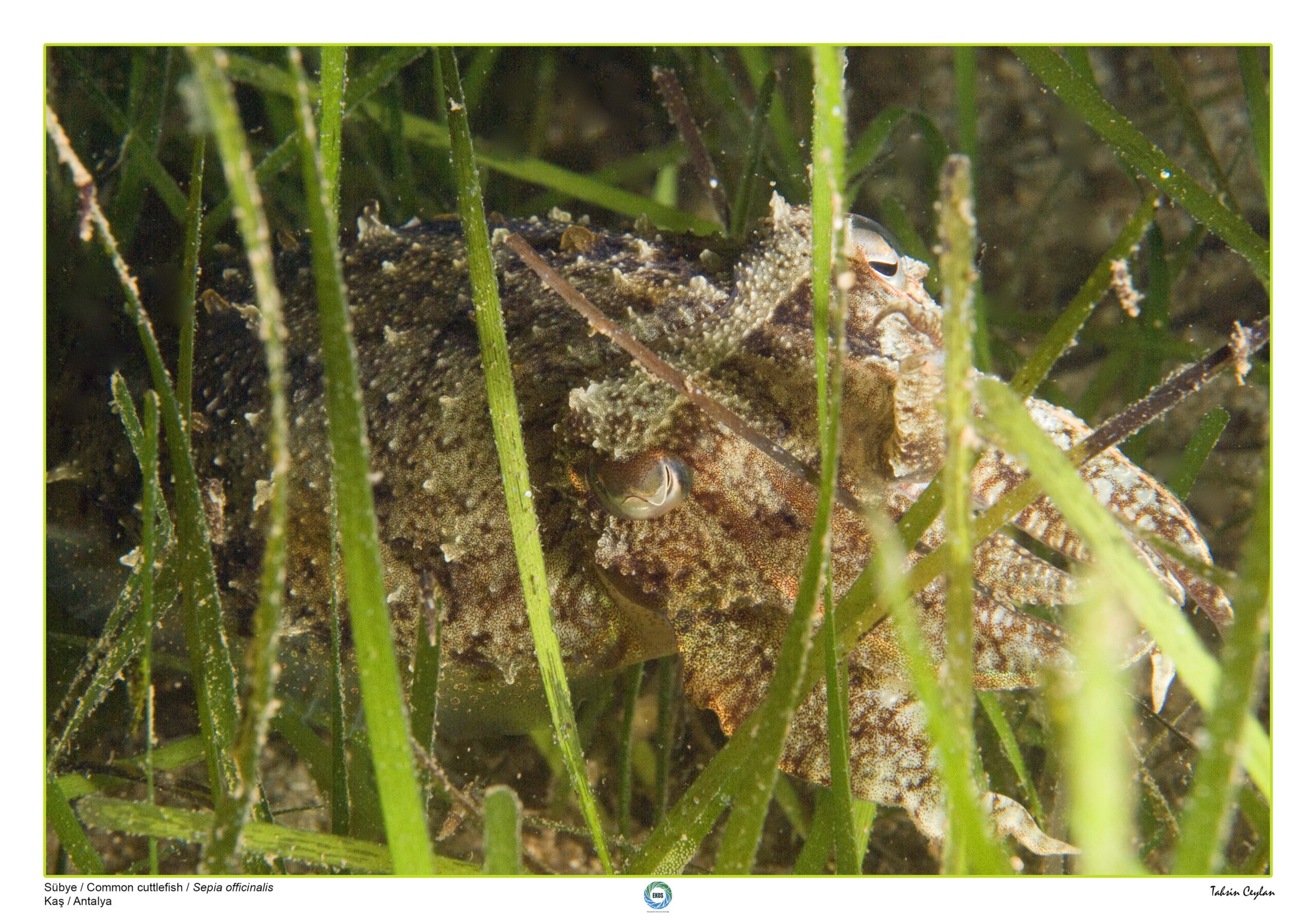
- Provide shelter, feeding grounds, and habitat for numerous marine species.
- Contribute to the conservation of biodiversity in marine ecosystems.
- Help stabilize seabed sediments, playing a significant role in reducing coastal erosion.
- Store substantial amounts of carbon, thereby contributing to climate change mitigation.
- Play a vital role in maintaining healthy and balanced marine ecosystems.
Protecting seagrass meadows therefore means not only conserving a habitat but also safeguarding the many species and coastal ecosystems that depend on it.
Scientific Monitoring Along the Lara Coast
Within the scope of the project implemented by EKOS, the current status of seagrass meadows is being assessed through scientific methods.
The project activities include:
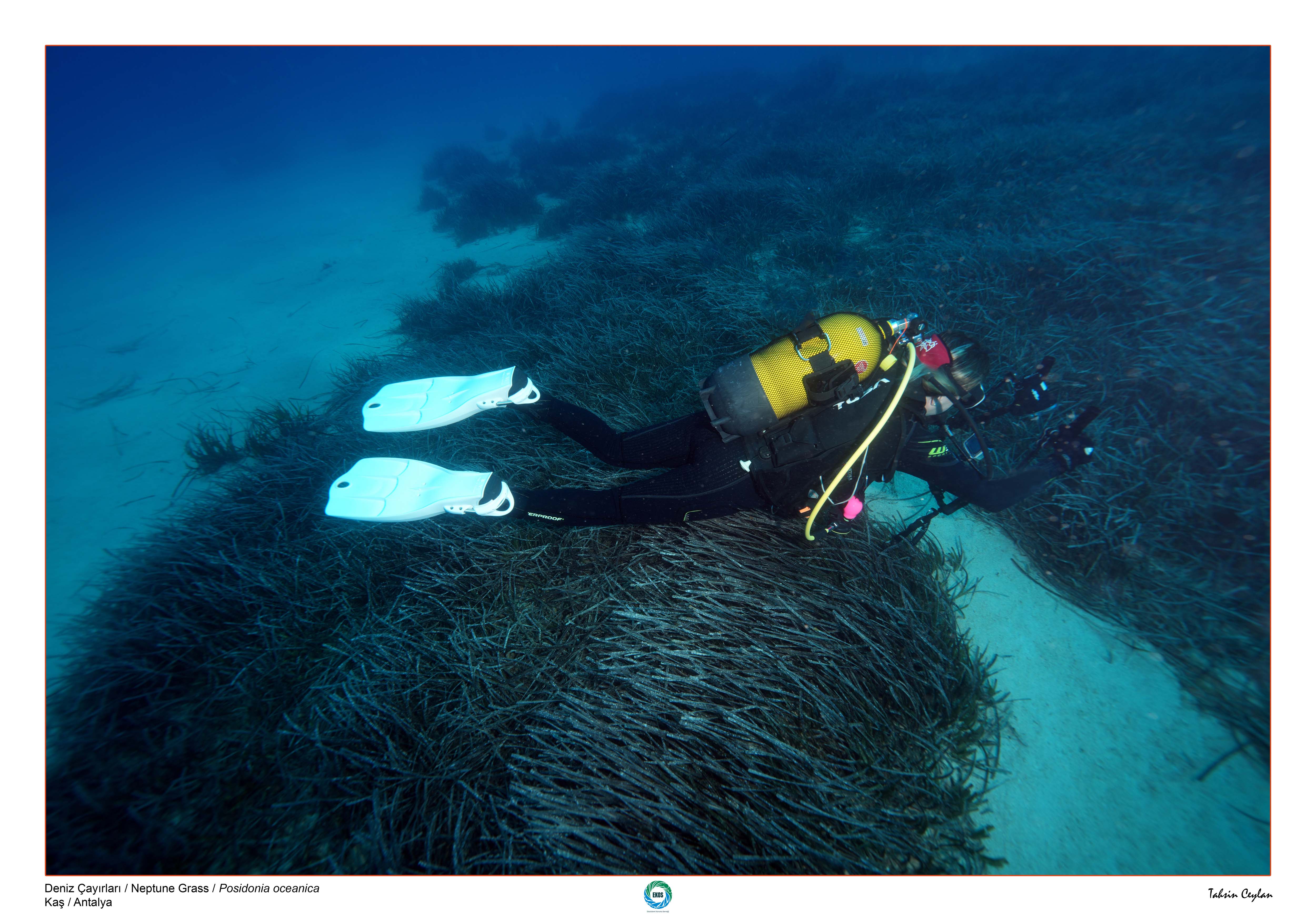
- Conducting underwater observation and sampling studies.
- Creating detailed habitat maps using Geographic Information Systems (GIS).
- Carrying out periodic monitoring studies at designated stations.
- Analyzing collected data and preparing scientific reports and conservation recommendations.
In addition, the impacts of human activities such as tourism, coastal use, and marine traffic on seagrass meadows will be evaluated.
From Science to Society: Raising Awareness Through Photography
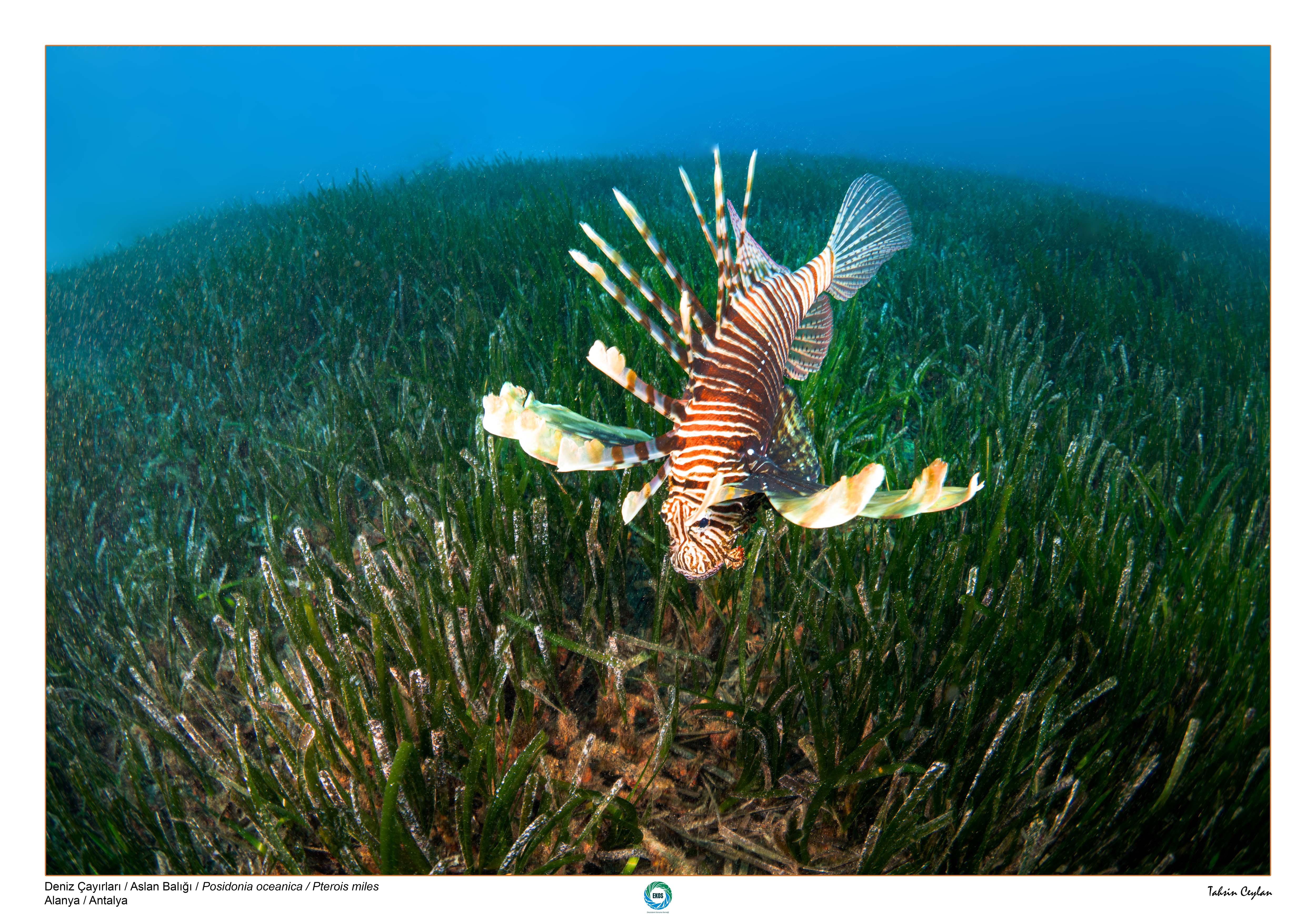
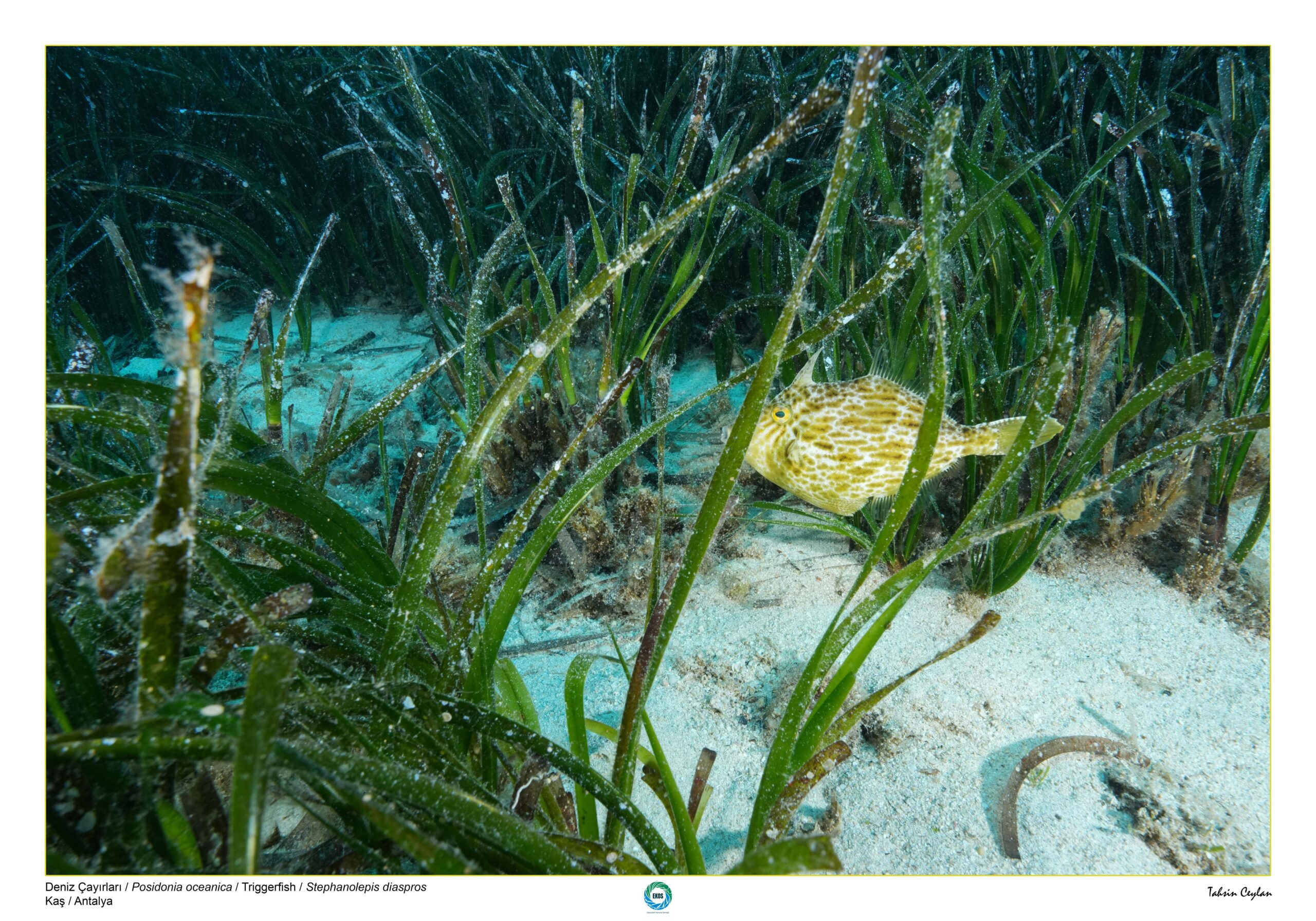
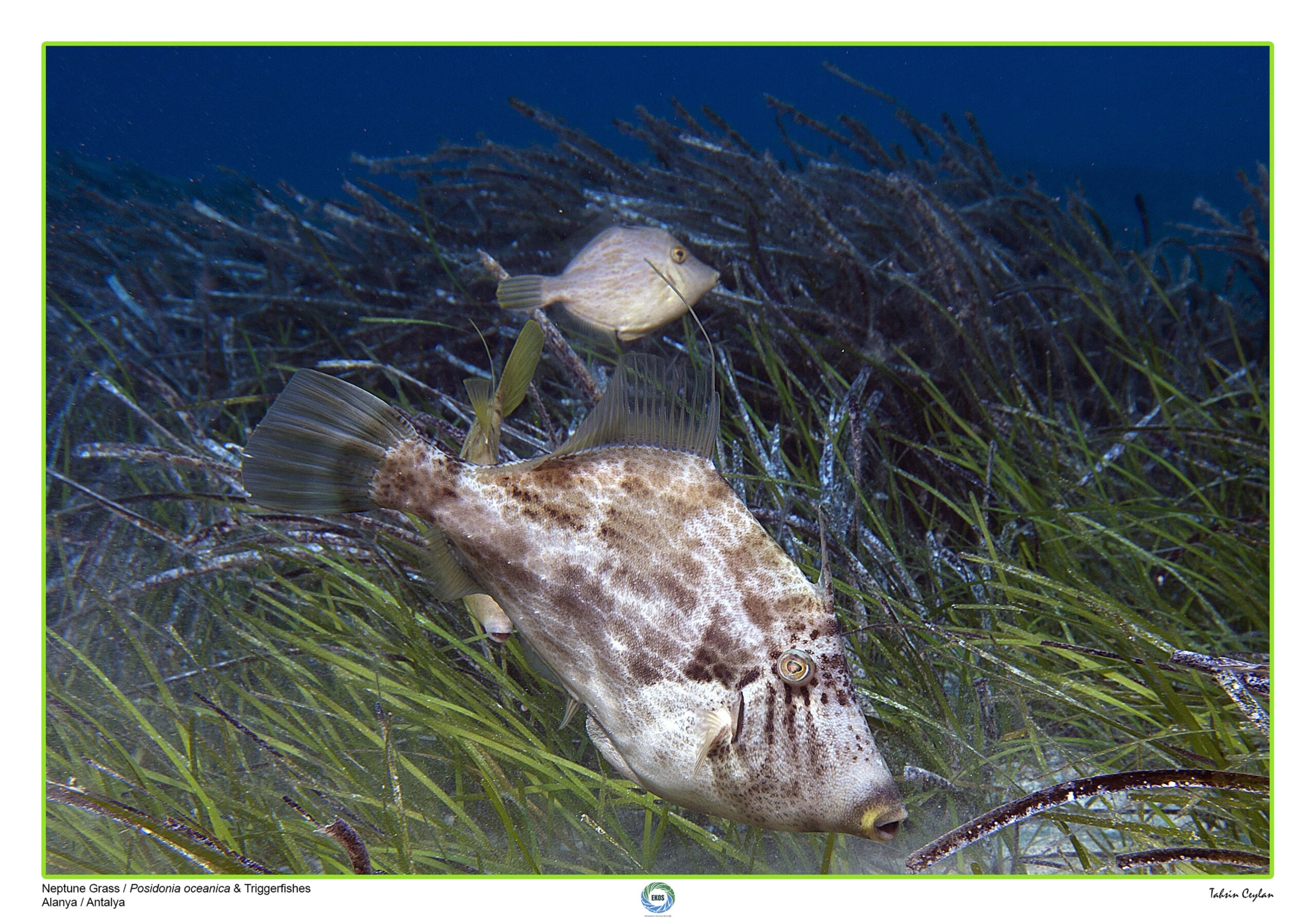
Despite their ecological importance, seagrass meadows remain largely unknown to the public because they exist beneath the water’s surface.
Through this exhibition, our goal is to share knowledge gained through scientific research with different segments of society through a visual narrative and to increase awareness about the conservation of seagrass meadows.
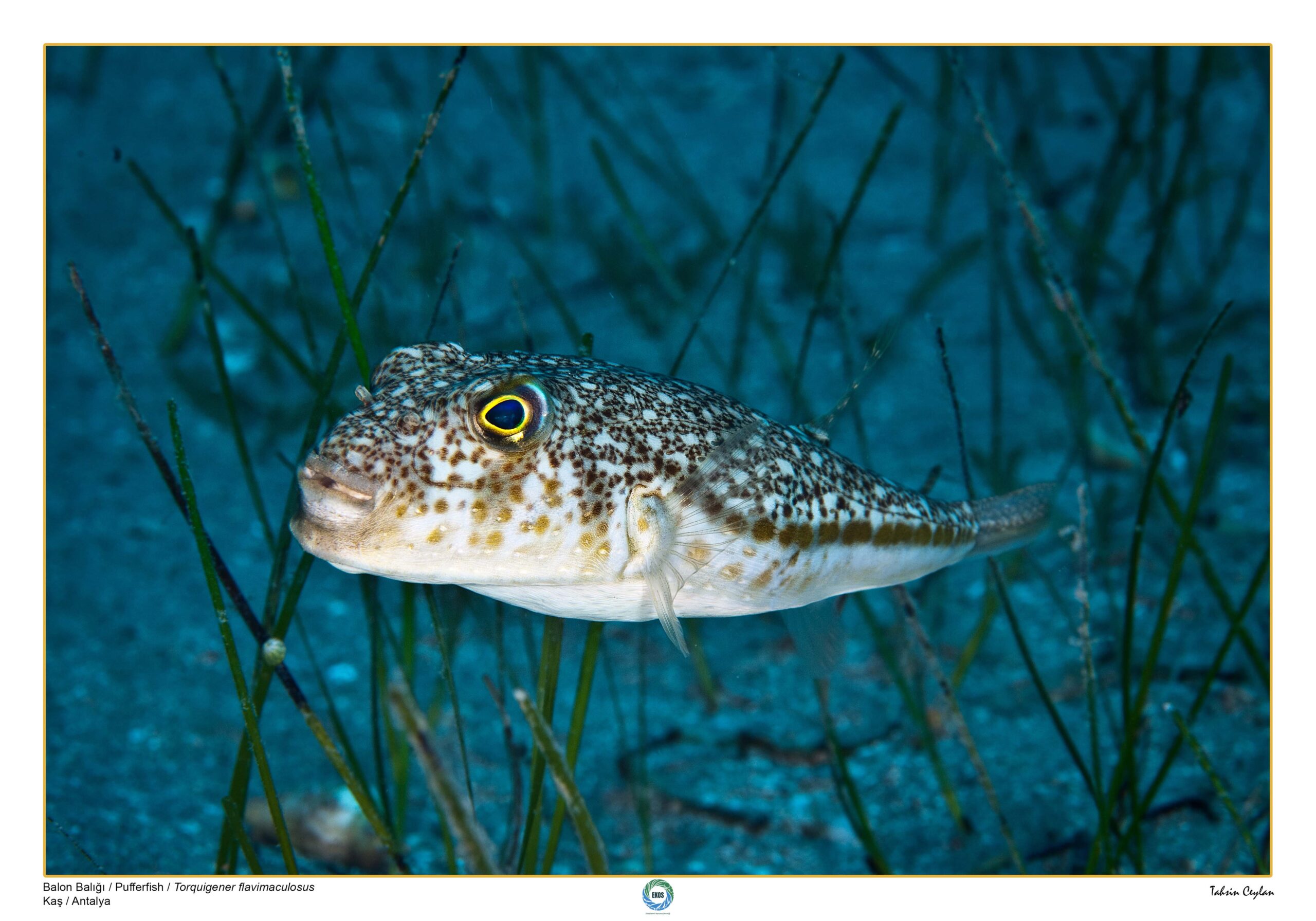
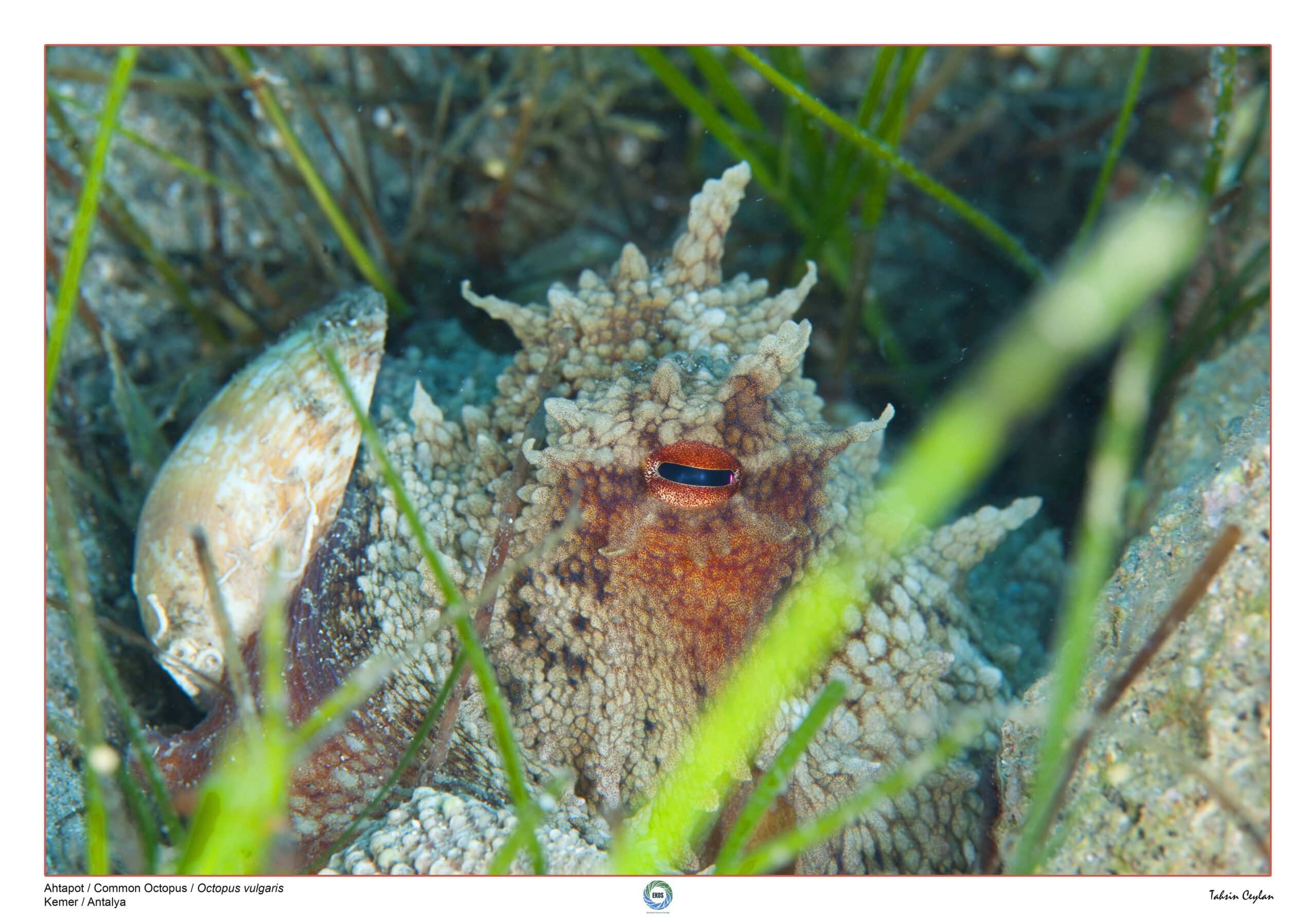
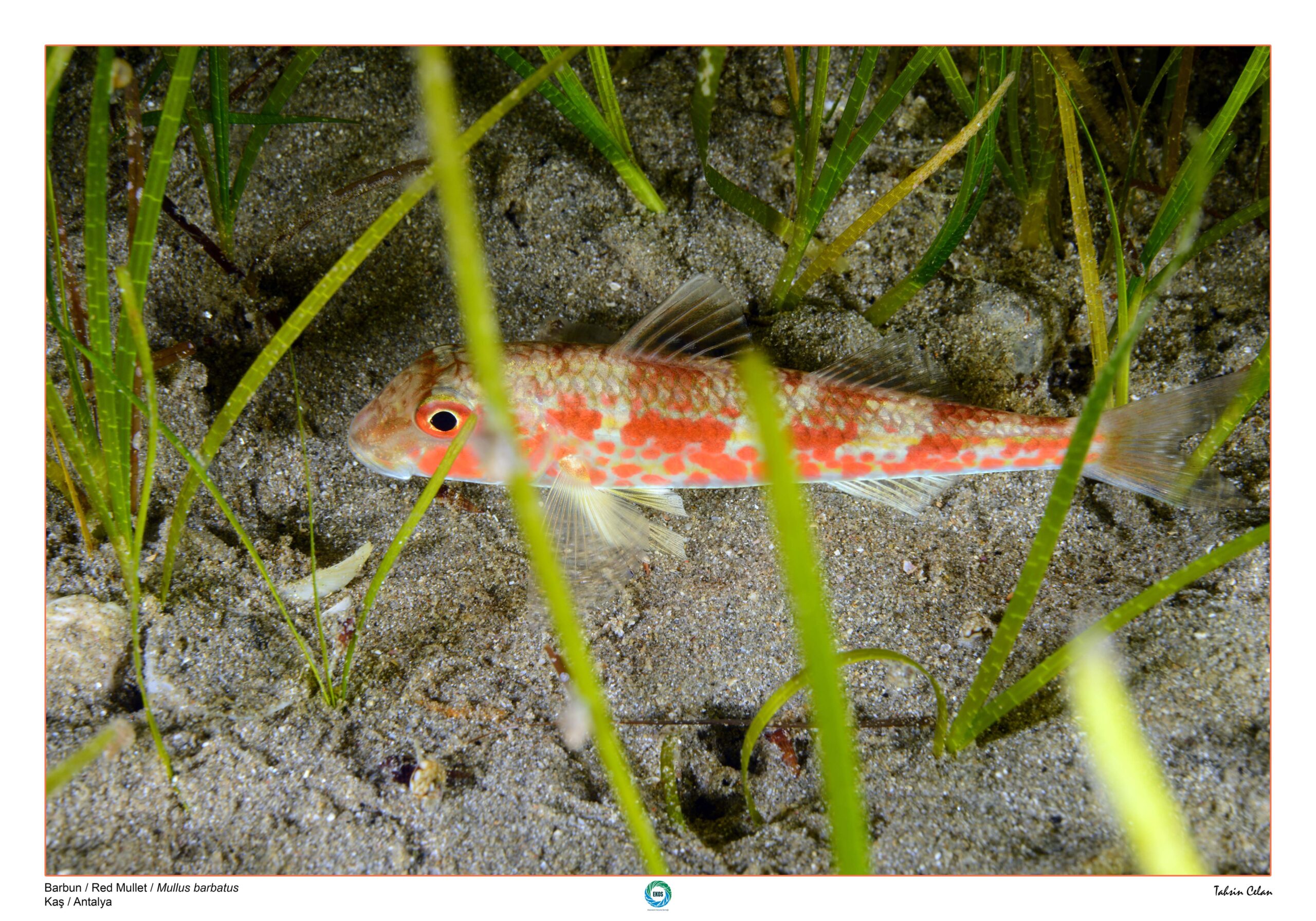
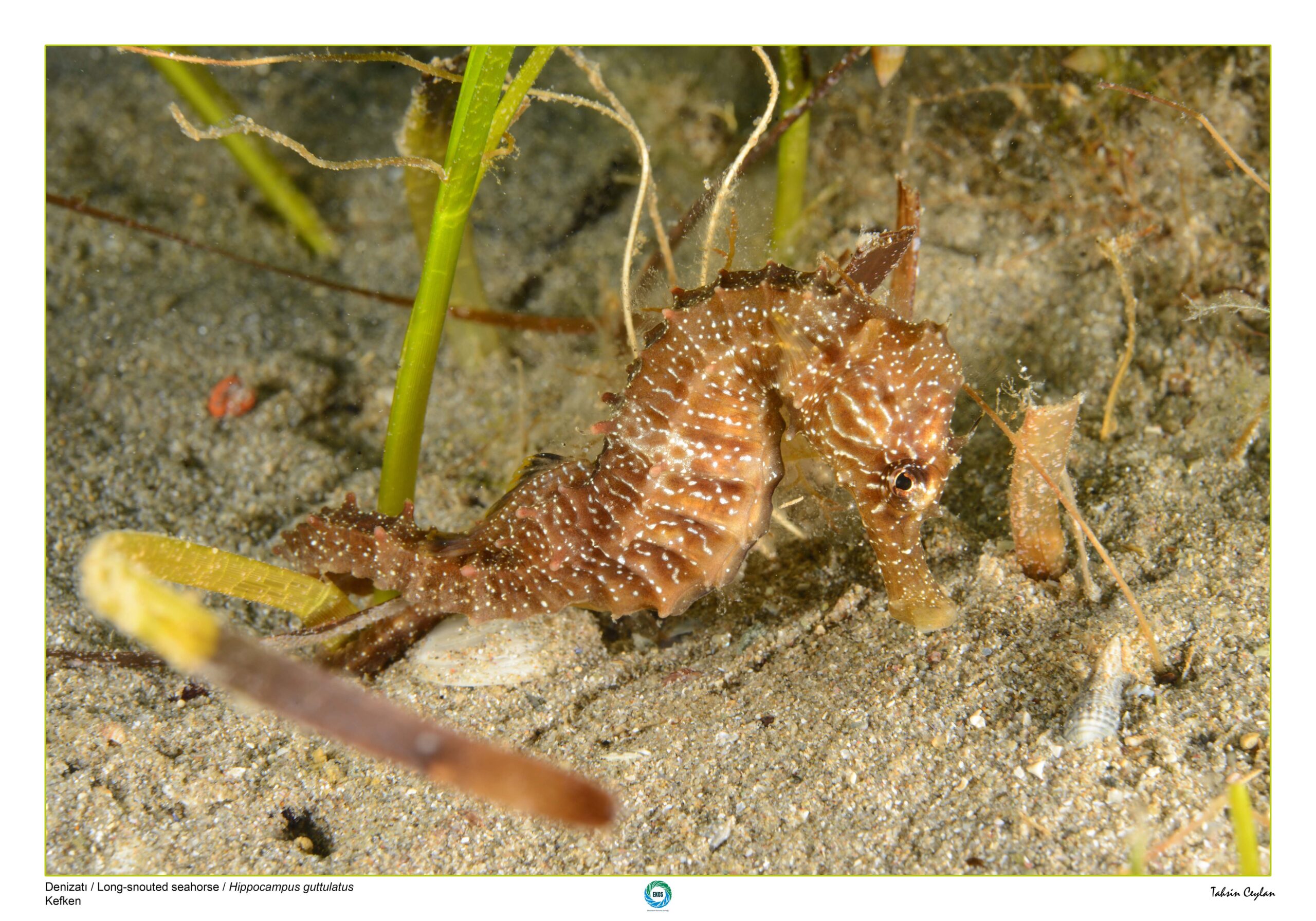
Through the photographs, visitors will have the opportunity to explore:
- The habitats formed by seagrass meadows.
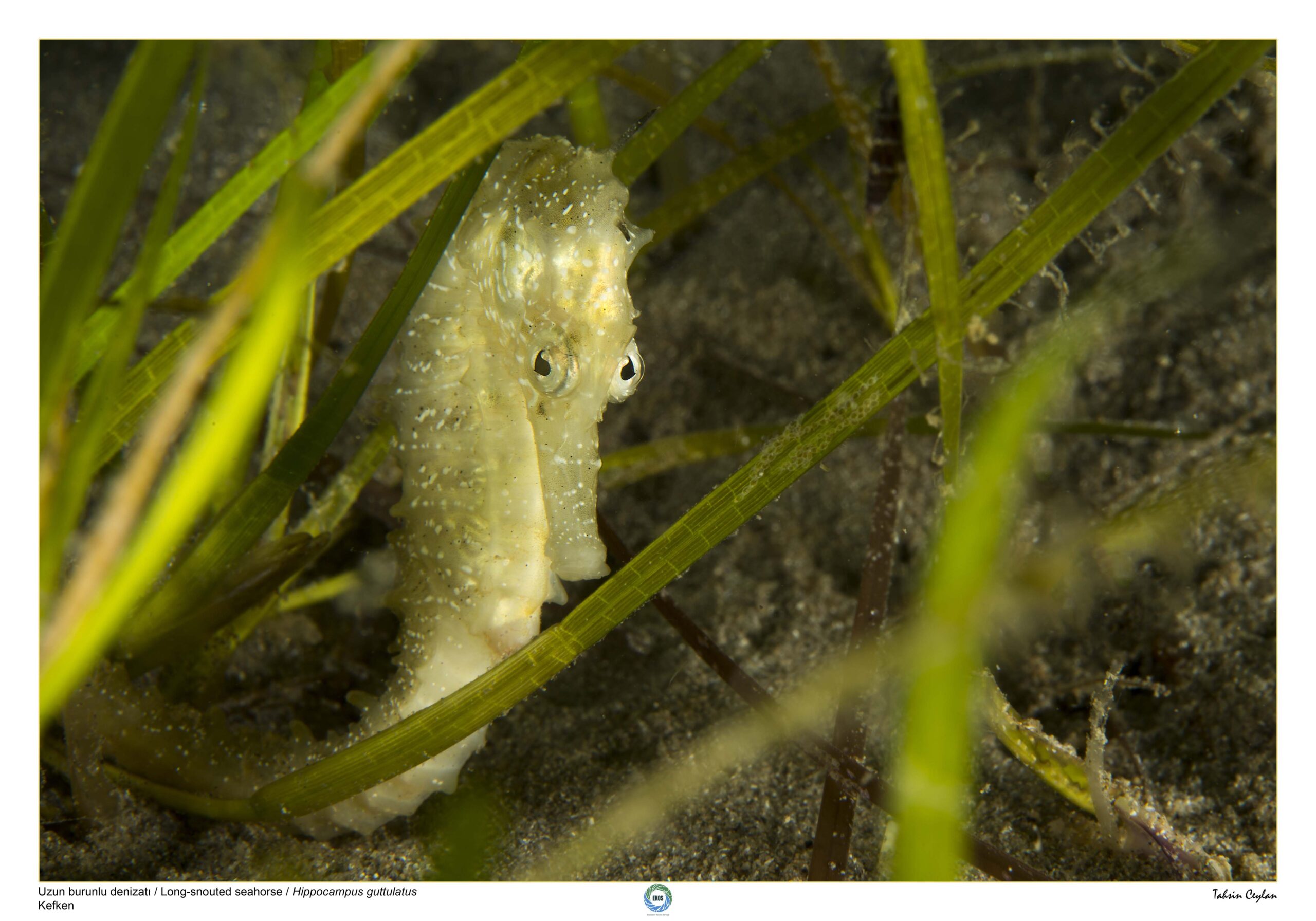
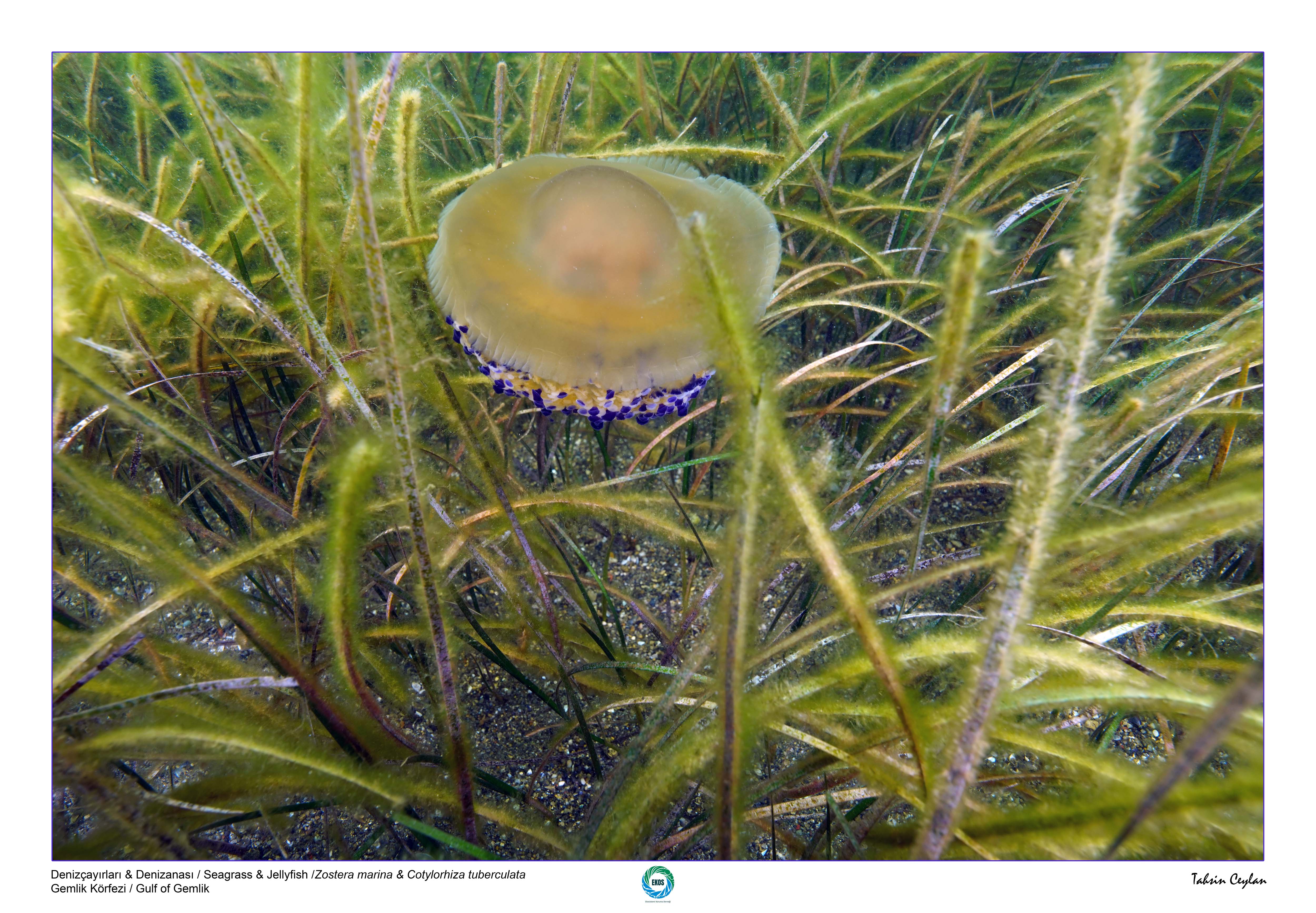
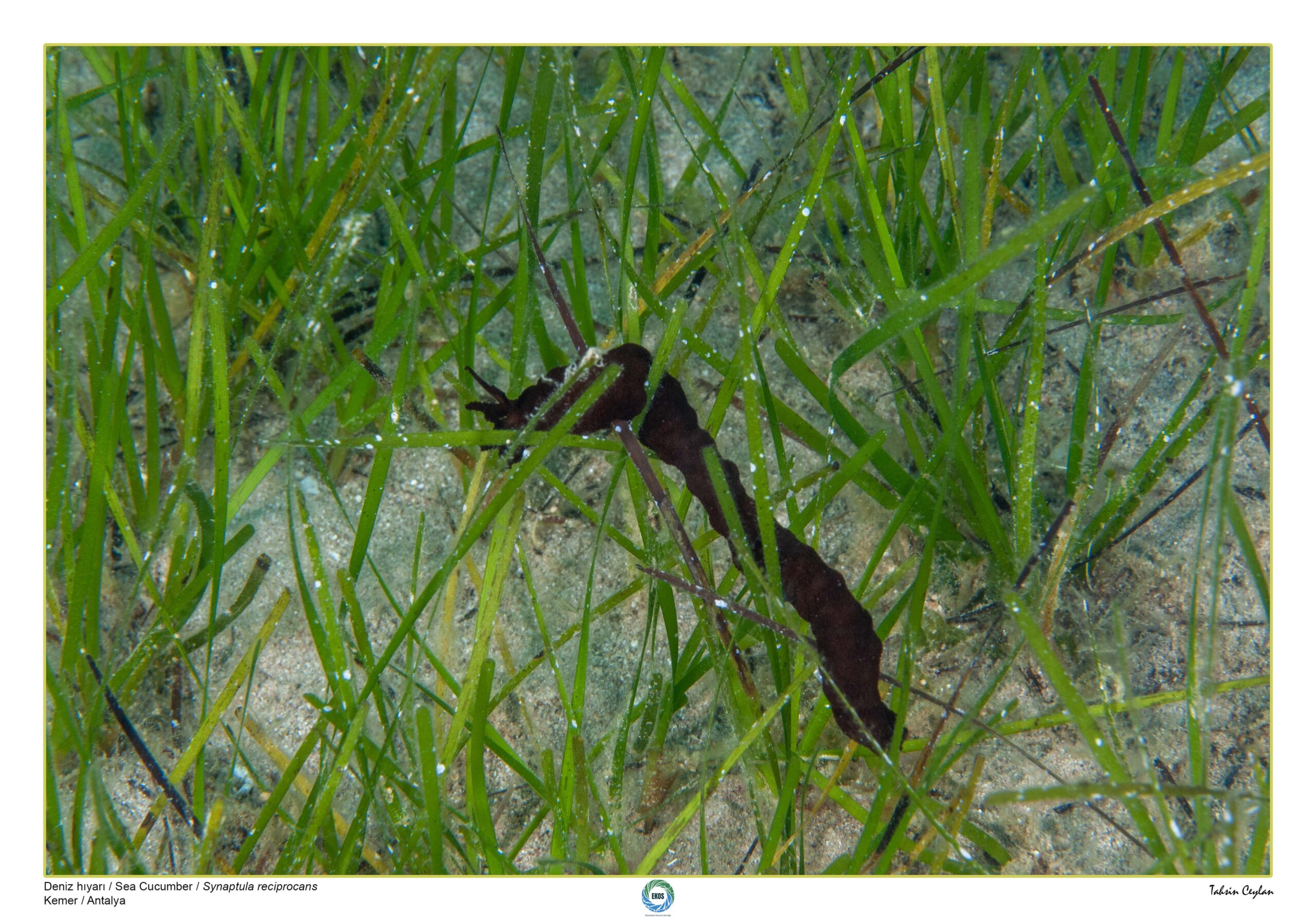
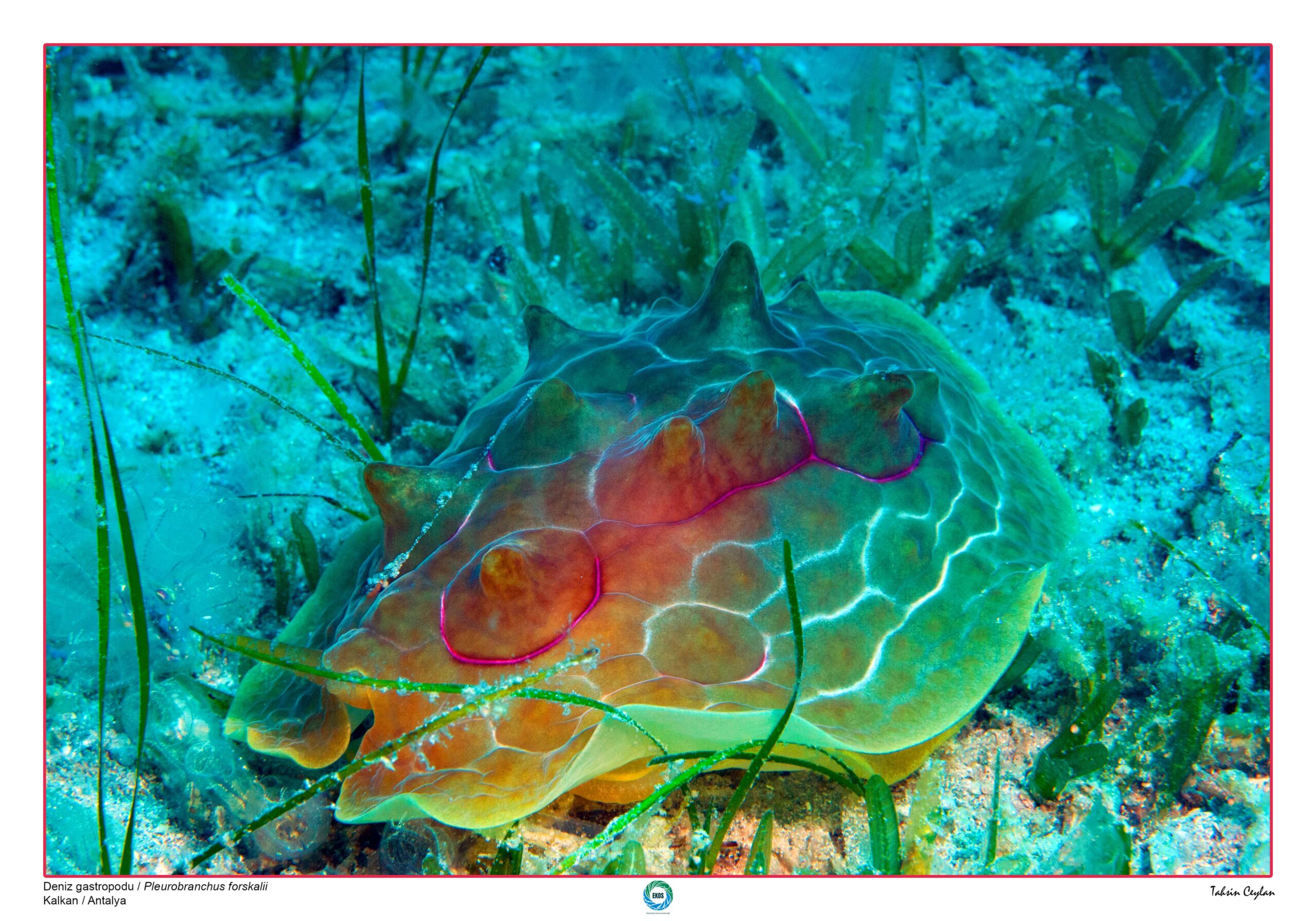
- The species that live within these habitats.
- The biodiversity hidden beneath the sea.
- The interconnected relationships within marine ecosystems.
Scientific Data for Sustainable Tourism
The Antalya coastline is one of Türkiye’s most important tourism destinations. For this reason, there is a strong connection between the conservation of natural coastal ecosystems and the sustainability of tourism activities.
The scientific data generated through the EKOS project is expected to contribute to the development of sustainable tourism practices in the region and to strengthen marine conservation efforts.
The project aims to raise awareness among local stakeholders, the tourism sector, and public institutions, while also ensuring that scientific findings contribute to decision-making processes.
Let Us Protect It Together
Protecting seagrass meadows is not solely the responsibility of scientists or conservation organizations.
Everyone who swims in the sea, operates a boat, lives along the coast, works in tourism, or visits these shores can contribute to the protection of this ecosystem.
Environmentally responsible anchoring practices, preventing marine pollution, protecting coastal habitats, and promoting the sustainable use of marine resources are all essential for safeguarding seagrass meadows.
Because protecting seagrass meadows means protecting:
Marine life,
Biodiversity,
Our coastlines,
Our climate,
and our future.